
Respiratory diseases are not uncommon in horses. Equine asthma (formerly COB), laryngeal whistling, conchennecrosis and air sac inflammation are becoming increasingly common and are one of the main problems in horse husbandry, regardless of the breed of horse and use.
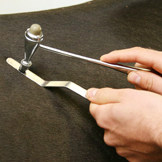
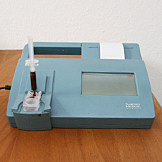
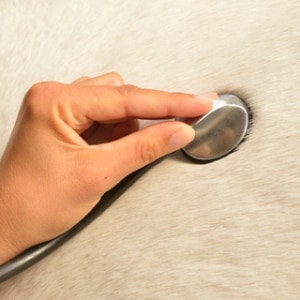
A thorough lung examination at our clinic includes auscultation of the lungs at rest and, if possible, after exercise. The arterial blood gas analysis determines the oxygen and carbon dioxide partial pressure and provides information about the ventilation of the lungs and deficits in gas exchange. This can be carried out directly by taking an arterial blood sample and analysing it in our own laboratory.
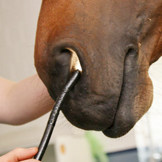
Endoscopy is an imaging examination method. This makes it possible to view the nasal passages, larynx, air sacs, trachea and main bronchi. As part of the bronchoscopy, it is also possible to take and examine the tracheobronchial secretion or a lung lavage sample for fine diagnostics. The analysis is carried out by a laboratory specialising in the examination of horse lungs. In individual cases, an X-ray and ultrasound examination of the lungs can provide important additional information.
Diseases of the lower respiratory tract
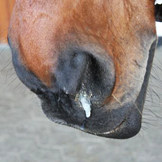
Equine asthma is one of the most common chronic diseases of the lower respiratory tract in horses. In the mild to moderate form (formerly known as inflammatory airway disease IAD), coughing, nasal discharge and sometimes poor performance usually occur. In the severe form of equine asthma (formerly COB or RAO), breathing is also difficult and sometimes pumping, performance is significantly impaired and a paroxysmal cough is possible. The development of equine asthma is multifactorial, but is often triggered by the constant inhalation of dusty air in the stable and by dust-laden roughage. Excessive mucus production in the lungs and spasmodic bronchoconstriction lead to typical symptoms such as nasal discharge and coughing.